


1969 Dodge dart gt overheating

Thread Starter
Mopar Fan
Joined: Aug 2011
Posts: 91
Likes: 3
1969 Dodge dart gt overheating
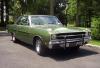
I have a 1969 dodge dart gt with a 273 engine 2bbl - auto trans with a/c
The car keeps overheating.... with a/c on or off, and when I say overheating The car boils over within 45 min of driving it.
Here is what I have done
Changed thermostat
new water pump
had the radiator cleaned and boiled out
Timing is dead nuts - dwell dead nuts.
Even bypassed the heater core... no luck
Ran it with out a thermostat.... no luck
went 70% pure prestone antifreeze - no luck
Flushed the whole engine with out thermostat in place....no luck
The car has the original fan and shroud all attached.
What could the problem be? Any clues?
Help!!!
Don
The car keeps overheating.... with a/c on or off, and when I say overheating The car boils over within 45 min of driving it.
Here is what I have done
Changed thermostat
new water pump
had the radiator cleaned and boiled out
Timing is dead nuts - dwell dead nuts.
Even bypassed the heater core... no luck
Ran it with out a thermostat.... no luck
went 70% pure prestone antifreeze - no luck
Flushed the whole engine with out thermostat in place....no luck
The car has the original fan and shroud all attached.
What could the problem be? Any clues?
Help!!!
Don
Admin
Joined: Apr 2008
Posts: 8,173
Likes: 200
From: Goffstown, NH
Water dispurses heat better than anitfreeze does, depending on where you leave, you might be able to adjust the ratio.
Have you checked compression? Do you have anitfreeze in the oil? Have you ran the car with just water?
Have you checked compression? Do you have anitfreeze in the oil? Have you ran the car with just water?
Thread Starter
Mopar Fan
Joined: Aug 2011
Posts: 91
Likes: 3
I have ran 30/70 50/50 mixtures same problem.
Yea ran the car with water plenty of times.
antifreeze is quite expensive these days so most test have started with plain water. Starting to think it maybe a head gasket.
after all the car is 43 years old with 75000 miles and most things are original. but who knows someone may
Yea ran the car with water plenty of times.
antifreeze is quite expensive these days so most test have started with plain water. Starting to think it maybe a head gasket.
after all the car is 43 years old with 75000 miles and most things are original. but who knows someone may
Last edited by jimiheadstone; Jul 11, 2012 at 07:02 AM.

Thread Starter
Mopar Fan
Joined: Aug 2011
Posts: 91
Likes: 3
ok here is the deal, I got a Aluminum Radiator and installed it.
The car no longer overheats. The stock gauge stays below the middle
when in park, when I drive the gauge moves down now on the cooler side.
I no longer hear the internal boiling I did when I shut the car down.
The one thing I have noticed is after a ride and I shut the car down.
the radiator hose's are as hard as a brick. Are they supposed to be like this? I never really checked them before I had this problem.
otherwise the car runs much better - Smoother and tranny shifts a hell of a lot better.
Would a blown head gasket cause the new problem I am describing? or is this normal for this type of car. Again I am puzzled by the rock hard radiator hose and the low temp gauge reading.
The car at this point has a new thermostat - water pump - all new hoses - New radiator - all new plugs - cap - wires and brand new antifreeze. Set dead nuts timing 2 & 1/2 ADTC.
The car no longer overheats. The stock gauge stays below the middle
when in park, when I drive the gauge moves down now on the cooler side.
I no longer hear the internal boiling I did when I shut the car down.
The one thing I have noticed is after a ride and I shut the car down.
the radiator hose's are as hard as a brick. Are they supposed to be like this? I never really checked them before I had this problem.
otherwise the car runs much better - Smoother and tranny shifts a hell of a lot better.
Would a blown head gasket cause the new problem I am describing? or is this normal for this type of car. Again I am puzzled by the rock hard radiator hose and the low temp gauge reading.
The car at this point has a new thermostat - water pump - all new hoses - New radiator - all new plugs - cap - wires and brand new antifreeze. Set dead nuts timing 2 & 1/2 ADTC.

Mopar Lover
Joined: Nov 2007
Posts: 2,424
Likes: 248
Retarded timing.
Learn about distributors, how they work. Yours may have a sticky advance and may not be advancing even the poor amount it was meant to HERE is the deal:
Starting in '68 Federally, and getting worse year by year, manufacturers DID NOT CARE nearly so much about how well an engine ran as they did passing Federal smog laws.
GM did this with smog pumps, Chrysler for years did so by leaning carbs and modifying ignition advance.
First thing to do is get a "piston stop" and confirm whether the timing mark is correct
Second, determine WHAT your distributor is doing for mechanical advance right now. Either buy "timing tape" for your size balancer, measure around it and mark it, or else borrow a "delay" timing light that displays advance degrees
Try setting the dist nominally at about 36* with the engine revved up, vacuum disconnected, then drop down to idle and see "where it lands." If it idles down to a low value, ATC, TDC, or 2* BTC, you have a VERY long, slow advance curve, and could benifit from a SHORTER FASTER advance curve. Just about any aftermarket performance distributor will give you that, or you can have your old one "recurved."
What would be MUCH more in line would be (with a bone stock cam) more like 6-8* initial, and 36 total, mechanical only. If you've put a performance cam, say, equivalent to the old 340 cam in there, you'd want more like 8-10 or even maybe a little more initial.
I have a mild cam in my 360, about a 1/2 step up from the old 340 cam, I run 15-17* initial, 36-38 total. The startup, throttle response is just great.
Learn about distributors, how they work. Yours may have a sticky advance and may not be advancing even the poor amount it was meant to HERE is the deal:
Starting in '68 Federally, and getting worse year by year, manufacturers DID NOT CARE nearly so much about how well an engine ran as they did passing Federal smog laws.
GM did this with smog pumps, Chrysler for years did so by leaning carbs and modifying ignition advance.
First thing to do is get a "piston stop" and confirm whether the timing mark is correct
Second, determine WHAT your distributor is doing for mechanical advance right now. Either buy "timing tape" for your size balancer, measure around it and mark it, or else borrow a "delay" timing light that displays advance degrees
Try setting the dist nominally at about 36* with the engine revved up, vacuum disconnected, then drop down to idle and see "where it lands." If it idles down to a low value, ATC, TDC, or 2* BTC, you have a VERY long, slow advance curve, and could benifit from a SHORTER FASTER advance curve. Just about any aftermarket performance distributor will give you that, or you can have your old one "recurved."
What would be MUCH more in line would be (with a bone stock cam) more like 6-8* initial, and 36 total, mechanical only. If you've put a performance cam, say, equivalent to the old 340 cam in there, you'd want more like 8-10 or even maybe a little more initial.
I have a mild cam in my 360, about a 1/2 step up from the old 340 cam, I run 15-17* initial, 36-38 total. The startup, throttle response is just great.
Thread Starter
Mopar Fan
Joined: Aug 2011
Posts: 91
Likes: 3
The timing is at spec 2.5 degrees ATDC
it's a 273 with a 2bbl
The original tune up chat spec sticker is on the car which indicates this as well.
Nothing has been done to the car. It's all stock with 75,000 miles
So again are the hard hoses a normal thing after it runs a awhile?
it's a 273 with a 2bbl
The original tune up chat spec sticker is on the car which indicates this as well.
Nothing has been done to the car. It's all stock with 75,000 miles
So again are the hard hoses a normal thing after it runs a awhile?

Admin
Joined: Apr 2008
Posts: 8,173
Likes: 200
From: Goffstown, NH
You could still have air that is trying to be released. When you poured new coolant into the system with the car running, did you let the car come up to operating temperature with the radiator cap off?
Have you done a compression test?
Have you done a compression test?
Mopar Lover
Joined: Jul 2011
Posts: 681
Likes: 106
It can be normal. BUT, it depends on the corresponding cap set pressure.
Remember for every 1 psi you can add to a cooling system you increase its boiling point by 3 degrees. So 21 psi cap nets a boil over of 63 degrees over no pressurized system. And a 21 psi cap does get firm. So you can run smaller radiators with the effective cooling of one with more surface area.
Not sure what you are running but look at 440Roadrunners post again and set timing with piston stop and experiment. That is a very detailed response. I don't pay much attention to factory timing marks. They are a "go by" at best. And all motors are different. Too much timing advance will cause heat as will a lean idle circuit.
Napa use to make a small test strip that you can throw in the radiator to check for the presence of exhaust.
I would trouble shoot timing, idle air ratio, exhaust leak first...
Remember for every 1 psi you can add to a cooling system you increase its boiling point by 3 degrees. So 21 psi cap nets a boil over of 63 degrees over no pressurized system. And a 21 psi cap does get firm. So you can run smaller radiators with the effective cooling of one with more surface area.
Not sure what you are running but look at 440Roadrunners post again and set timing with piston stop and experiment. That is a very detailed response. I don't pay much attention to factory timing marks. They are a "go by" at best. And all motors are different. Too much timing advance will cause heat as will a lean idle circuit.
Napa use to make a small test strip that you can throw in the radiator to check for the presence of exhaust.
I would trouble shoot timing, idle air ratio, exhaust leak first...

Mopar Lover
Joined: Apr 2010
Posts: 1,889
Likes: 170
From: Long Island, NY
Jimi -
You're getting a lot of good information, but what you describe sounds perfectly normal.
If you are going to check the timing and A/F mixture, do it with a tach and vac gauge. Use basic diagnostics like examining the spark plugs, etc.
Sometimes over thinking can be worse than under thinking...
Archer
You're getting a lot of good information, but what you describe sounds perfectly normal.
If you are going to check the timing and A/F mixture, do it with a tach and vac gauge. Use basic diagnostics like examining the spark plugs, etc.
Sometimes over thinking can be worse than under thinking...
Archer

Thread
Thread Starter
Forum
Replies
Last Post
53cranbrook
Pre-1962 Mopars
18
Jan 11, 2013 06:31 AM


